




Introduction
The global peptide therapeutics market is expanding rapidly, and so is demand for high-purity research-grade peptides sourced in bulk. Whether you are running a research institution, managing a compounding pharmacy, operating a clinical trial site, or building a distribution business, buying research peptides wholesale offers significant advantages — from cost efficiency to supply chain control.
This guide covers everything you need to know before making a wholesale purchase of research peptides: what to look for in a supplier, quality benchmarks, regulatory context, common peptide categories, and how to evaluate pricing and minimum order quantities.
What Are Research Peptides?
Research peptides are short chains of amino acids synthesized for use in scientific, preclinical, and investigational studies. They are not intended for human therapeutic use unless explicitly approved by regulatory authorities in your jurisdiction — however, they play a critical role in drug discovery, biomarker research, metabolic studies, tissue regeneration research, and more.
Popular research peptides currently in high demand include:
- BPC-157 – studied for its role in tissue repair and gastroprotection
- TB-500 (Thymosin Beta-4) – investigated in the context of wound healing and angiogenesis
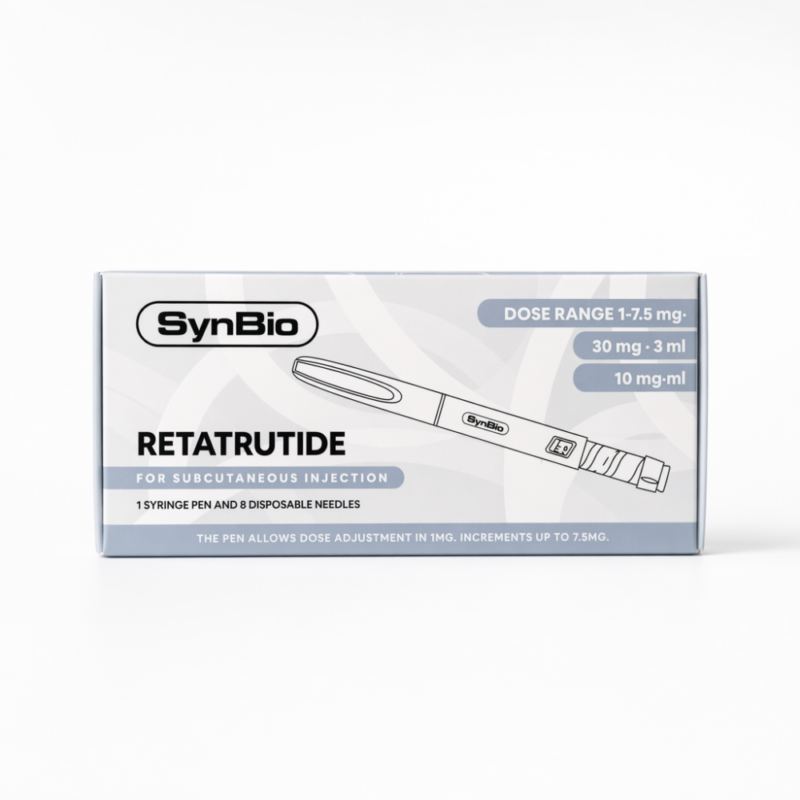
- Retatrutide – a triple agonist (GLP-1/GIP/glucagon) under investigation for metabolic conditions
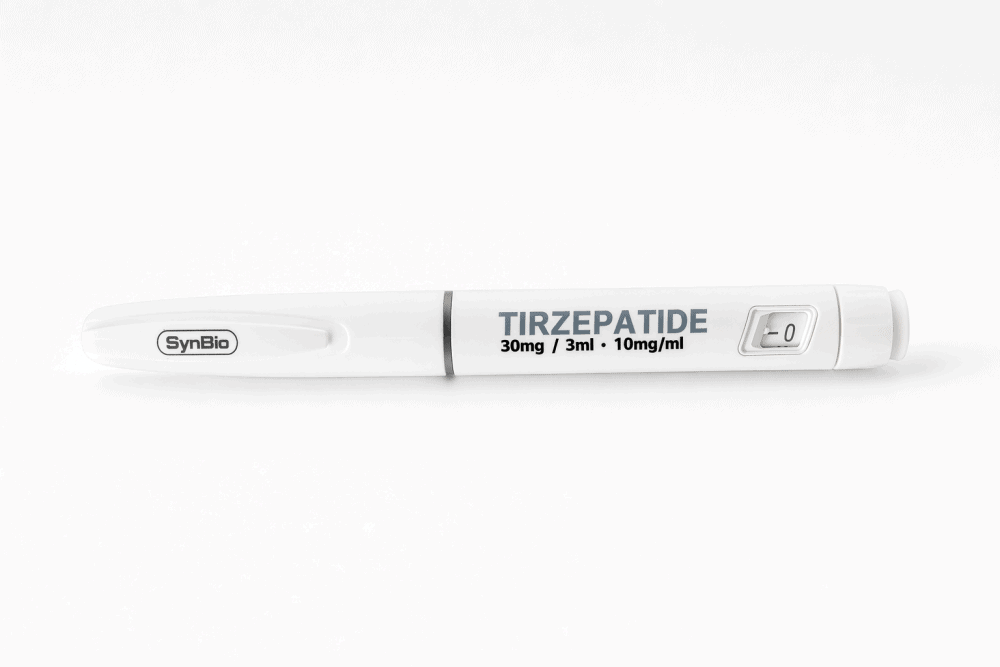
- Tirzepatide – a dual GIP/GLP-1 receptor agonist widely studied in metabolic research
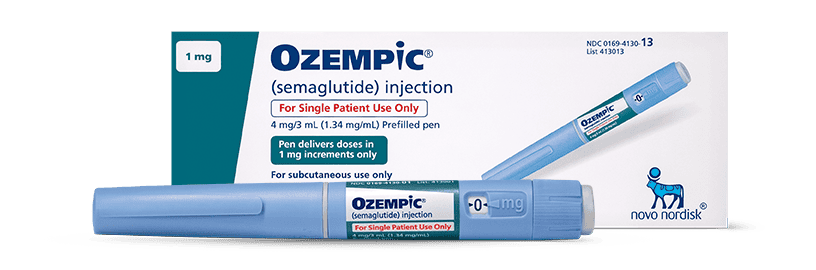
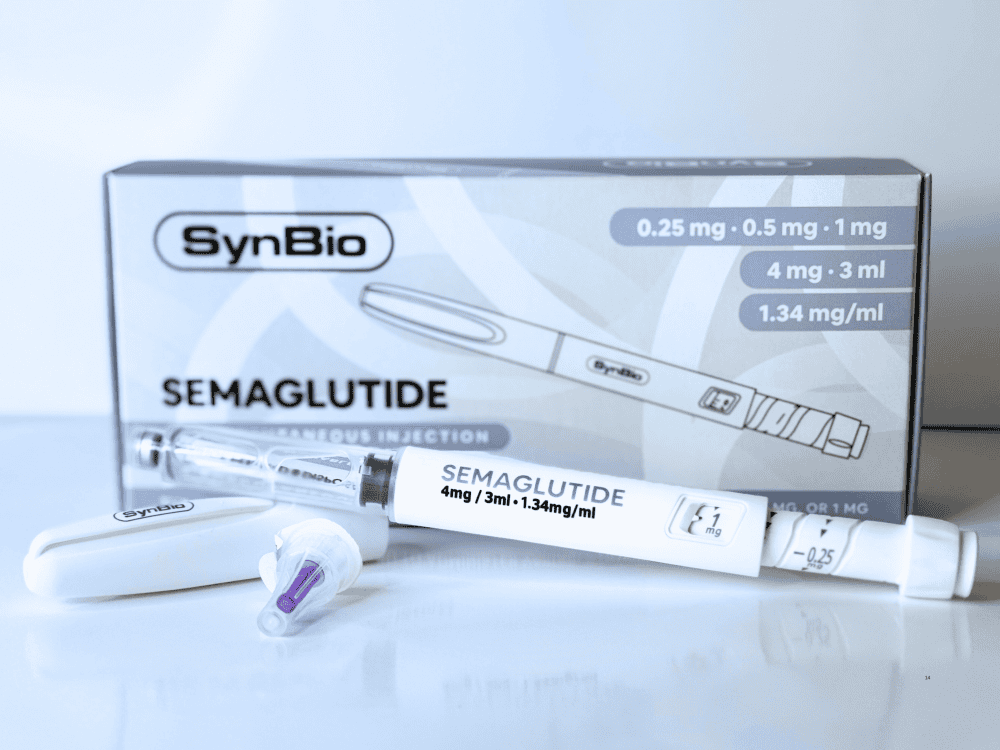
- Semaglutide – GLP-1 receptor agonist, extensively researched for glycemic regulation
- GHK-Cu – a copper peptide studied for its regenerative and anti-inflammatory properties
- MOTS-c – a mitochondrial-derived peptide investigated in metabolic and longevity research
- Epithalon – studied for telomerase activation and anti-aging potential
Why Buy Research Peptides Wholesale?
1. Significant Cost Savings
Bulk procurement dramatically reduces the per-milligram cost of research peptides. For facilities running ongoing studies or distributors supplying multiple clients, wholesale pricing can represent savings of 40–70% compared to retail quantities.
2. Consistent Supply Chain
Working directly with a manufacturer or large-volume distributor eliminates the risk of stockouts. Wholesale agreements often include priority order fulfillment and reserved inventory allocation.
3. Streamlined Logistics
Wholesale suppliers typically offer consolidated shipping, reducing customs friction and per-shipment handling costs — particularly important for EU-based buyers receiving goods from domestic European manufacturers.
4. Custom Formulation Options
Many wholesale suppliers can accommodate custom synthesis requests, specific lyophilization formats, vial fill quantities, and labeling requirements for institutional or OEM clients.
Key Quality Standards to Demand from a Wholesale Supplier
Not all peptide suppliers are equal. When evaluating a wholesale partner, these are the non-negotiable quality benchmarks:
Certificate of Analysis (CoA)
Every batch should come with a third-party CoA from an ISO-accredited laboratory. The CoA should confirm:
- Purity ≥ 98% (by HPLC)
- Correct molecular weight (confirmed by mass spectrometry / ESI-MS or MALDI-TOF)
- Absence of residual solvents and endotoxin levels within acceptable limits
Manufacturing Standards
Look for suppliers operating under GMP-aligned (Good Manufacturing Practice) or ISO-certified production environments. This is especially relevant for buyers in regulated markets.
Peptide Stability & Storage
Properly lyophilized (freeze-dried) peptides should have a documented shelf life, appropriate desiccant packaging, and cold chain compliance where required.
Traceability
Reputable suppliers maintain full batch traceability — from raw amino acid inputs through synthesis, purification, and QC release — allowing buyers to conduct audits or respond to regulatory queries.
Regulatory Considerations
The legal status of research peptides varies by country. In the European Union, many peptides occupy a complex regulatory space — they may be sold legally for research purposes but are not approved medicinal products unless they have received marketing authorization.
Key principles for wholesale buyers:
- Purchase only from suppliers who clearly state the research-only nature of their products
- Maintain internal documentation of intended use
- Verify import/export regulations in your jurisdiction before placing large orders
- For clinical or compounding applications, work with suppliers who can provide pharmaceutical-grade documentation
What to Look for in a Wholesale Peptide Supplier
When shortlisting wholesale partners, evaluate the following:
| Criterion | What to Check |
|---|---|
| Manufacturing location | EU-based manufacturers reduce import complexity for European buyers |
| MOQ (Minimum Order Quantity) | Should be reasonable for your volume; some suppliers start at 5g, others at 100g+ |
| Lead times | Confirmed in-stock vs. made-to-order; typical lead times 3–14 days |
| Payment terms | Wholesale accounts may qualify for net terms or crypto/wire options |
| White-label / OEM options | Important for distributors reselling under their own brand |
| Ongoing communication | Dedicated account managers are a sign of a serious B2B operation |
Recommended Wholesale Peptide Supplier
For EU-based buyers seeking a domestic manufacturer with a verified track record in wholesale supply, Research Peptide Source is a strong choice to consider.
Operating as a European manufacturer and wholesale distributor, Research Peptide Source offers:
- Direct-from-manufacturer pricing — no middleman markups
- A broad catalogue covering popular research peptides including BPC-157, TB-500, Retatrutide, Tirzepatide, Semaglutide, GHK-Cu, MOTS-c, and more
- Batch-specific Certificates of Analysis from third-party laboratories
- B2B-focused order fulfilment with volume pricing tiers
- EU-based logistics for faster, simpler delivery across Europe
Whether you are placing your first wholesale order or looking to switch to a more reliable domestic supplier, researchpeptidesource.com is worth contacting directly for a wholesale quote.
How to Structure a Wholesale Peptide Order
Step 1: Define Your Product List
Identify the peptides you require by name, desired purity grade, vial/bulk format, and total quantity per SKU.
Step 2: Request a Wholesale Quote
Contact the supplier’s B2B team with your full order list. Reputable suppliers will respond with tiered pricing based on quantity.
Step 3: Review CoA Samples
Before committing to a large order, request CoA samples from recent production batches. This is standard practice and any credible supplier will comply.
Step 4: Confirm Logistics Details
Clarify packaging format, cold chain requirements, incoterms, lead time, and customs documentation.
Step 5: Set Up a Repeat Ordering Agreement
If the initial order meets your quality expectations, negotiate a standing wholesale agreement with scheduled deliveries or reserved inventory.
Pricing Benchmarks (General Reference)
Wholesale peptide pricing varies widely based on the complexity of synthesis, purity requirements, and order volume. As a general reference:
- Simple peptides (e.g., GHK-Cu, BPC-157): contact the provider
- More complex peptides (e.g., Semaglutide, Tirzepatide): contact the provider
- Custom synthesis projects: Quoted per sequence, length, and modification requirements
Domestic EU suppliers may carry a slight premium over Chinese manufacturers but offer faster delivery, simpler import compliance, and often more reliable QC documentation.
Frequently Asked Questions
Can I buy research peptides in bulk for distribution? Yes, provided you operate within the legal framework of your jurisdiction and the peptides are sold for research purposes. Work with suppliers who offer proper B2B documentation.
What is the typical minimum order for wholesale pricing? This varies by supplier. Many start at 5–10g per peptide, with deeper price breaks at 50g, 100g, and above.
Do EU suppliers offer better quality than Asian manufacturers? Not necessarily by default, but EU-based manufacturers are subject to stricter regulatory oversight, and proximity reduces cold chain risks and customs delays for European buyers.
How should I store bulk peptides upon receipt? Lyophilized peptides should be stored at −20°C in airtight, desiccated conditions. Long-term storage at −80°C is recommended for stability over 12+ months.
Can I get white-label packaging for wholesale peptide orders? Many B2B suppliers offer this. Discuss OEM requirements directly with the supplier’s account team.
Conclusion
Wholesale procurement of research peptides is increasingly mainstream as demand from research institutions, compounding pharmacies, and specialist distributors continues to grow. The key to a successful purchasing strategy lies in working with verified, transparent suppliers who prioritise quality documentation, domestic logistics, and long-term B2B relationships.
For EU buyers, sourcing from a domestic manufacturer like Research Peptide Source simplifies compliance, shortens delivery timelines, and reduces supply chain risk — all critical factors when managing ongoing research programmes or distribution operations.
This article is intended for informational purposes only and is directed at institutional and B2B buyers. Research peptides are sold strictly for laboratory and research use and are not intended for human therapeutic administration unless approved by the relevant regulatory authority.
